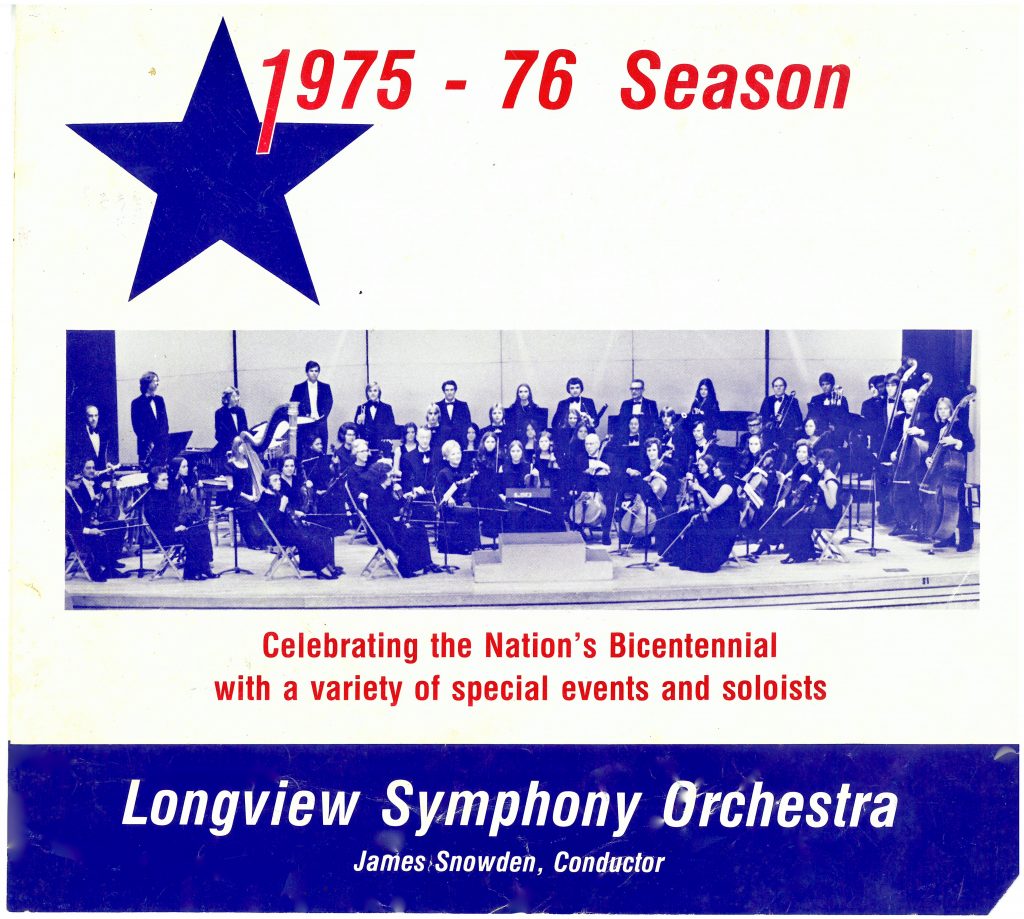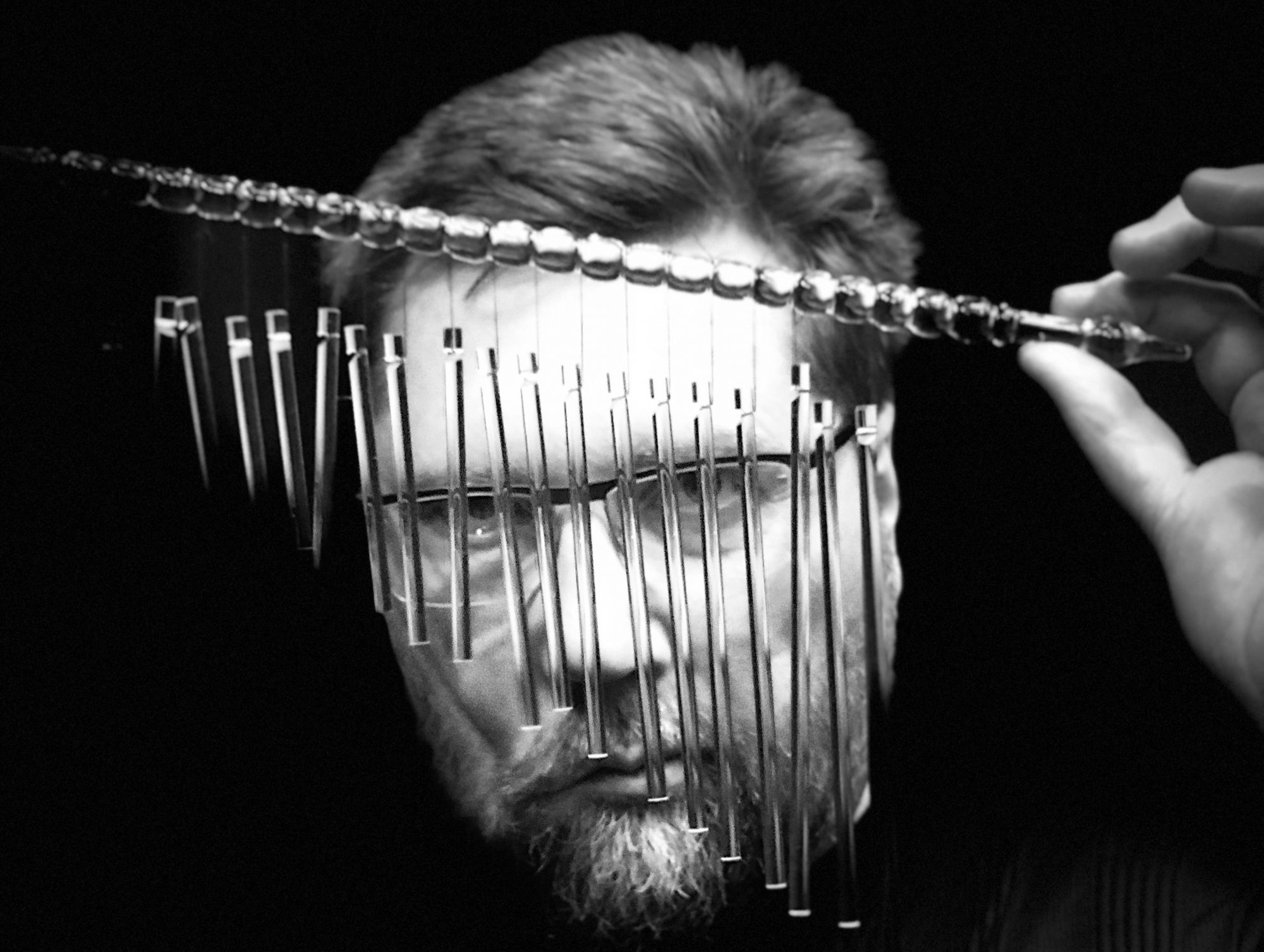
With the start of a new school year a few days away, I begin to get excited about the prospects of the coming semester. In the academy, summer brings the opportunity to hit the reset button and by summer’s end, we should feel refreshed and ready to take on the challenges of another busy school year (You’ll notice I didn’t say rested).
As students return to the hallowed halls, I know that some are looking for a chance to redefine themselves, to develop new habits or break old ones or perhaps set some new goals. Maybe they hope to distance themselves from an unfortunate interaction (that most have already forgotten) or perhaps burnish their reputation as a dedicated student. Still others simply plan to take a few steps back in preparation for making some well-timed leaps forward.
All things are possible in the Fall. For me, Fall is a heady time that repeats every year and helps create the distinctive rhythm of my life. This rhythmic cycle is a tectonic movement that once felt slow and nearly imperceptible but now seems to gain speed with my every trip around the sun. Or as Jimmy Buffett puts it:
Every day’s a revolution
Pull it together and it comes undone
Just one more candle and a trip around the sun
—Jimmy Buffett, Trip Around the Sun
In the metaphorical framework known as the “Four Seasons of Life,” Autumn is usually characterized as the second half of the life cycle but, In the Academy, Fall represents new beginnings. For many this could be a new year, new school, new job, new friends, new responsibilities, or new opportunities. So many things begin anew as golden summer turns to the orange and burnt umber of autumn, warm days, cool nights, and football under the lights.
Fall is ripe with opportunity! In our allegorical model Autumn can also represent a time of reflection, change, and transition, and depending on where you are in your educational journey (or life cycle) it may also involve some introspection about what your life might look like after the boys of summer have gone.
But as the semester approaches, I also begin to wonder what my students expect from their college experience. I ask myself “what do they want and how bad do they want it?” I know this because for most of my life I have struggled with the same queries. Identifying the “what” was never the problem, but it was the fundamental question that every person who aspires to something more in this life must ask themselves; “how bad do you want it?” In many cases the answer is, as singer and songwriter Don Henley would say, “not bad enough.”
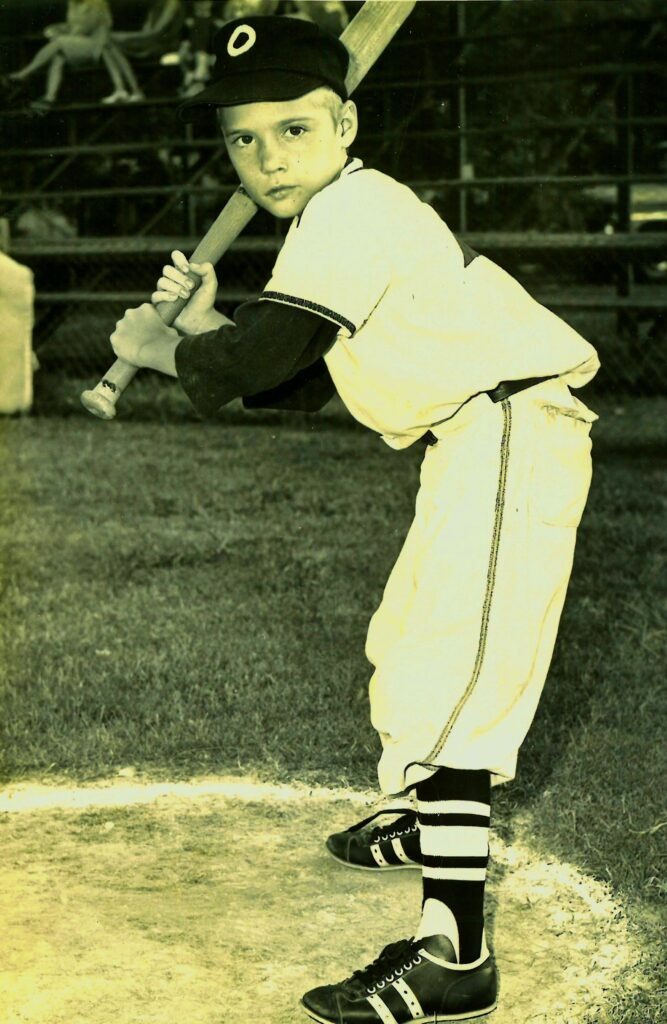
As a kid growing up in East Texas, I wanted to play baseball but, not bad enough. I wanted to play football but, again, not bad enough. I wanted to be an Architect but not bad enough to put in the work to get good grades.
Then I joined the band. There I wanted badly to play the trumpet but no matter how hard I tried, it wasn’t going to happen. So, in 1969 I landed in the drum section. How bad did I want that? Not at all…
But in the Fall of 1970, and because of a loving and masterful band teacher, I got to start over. And in doing so I began to feel the early pangs of desire to become a musician; a real drummer. I had never experienced wanting something so much that it gave me an ache in the pit of my stomach thinking about it. Whenever I failed to measure up to that teacher’s expectations, it physically hurt. In retrospect, and in my own experience as a teacher, I suspect that it hurt him as much as it hurt me. I’ve had that stomachache ever since and it hasn’t subsided. I hope it never does.
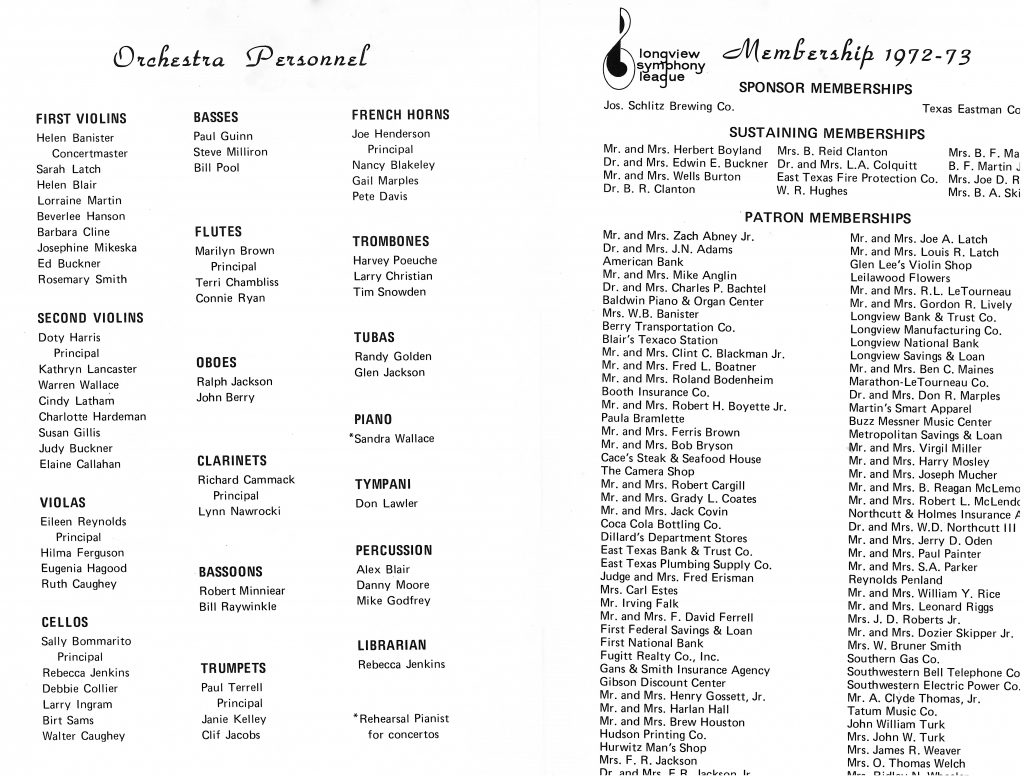
I’ll admit that from time to time, I’ve felt alone in my journey but as I kept at it, I met more and more kindred spirits along the way. The first one was my childhood friend who had a four-track reel-to-reel tape recorder that lit the fire of my desire to write and record music. Then it was my fellow high school band geeks who wanted to put together a horn band to play the music of the popular group Chicago.
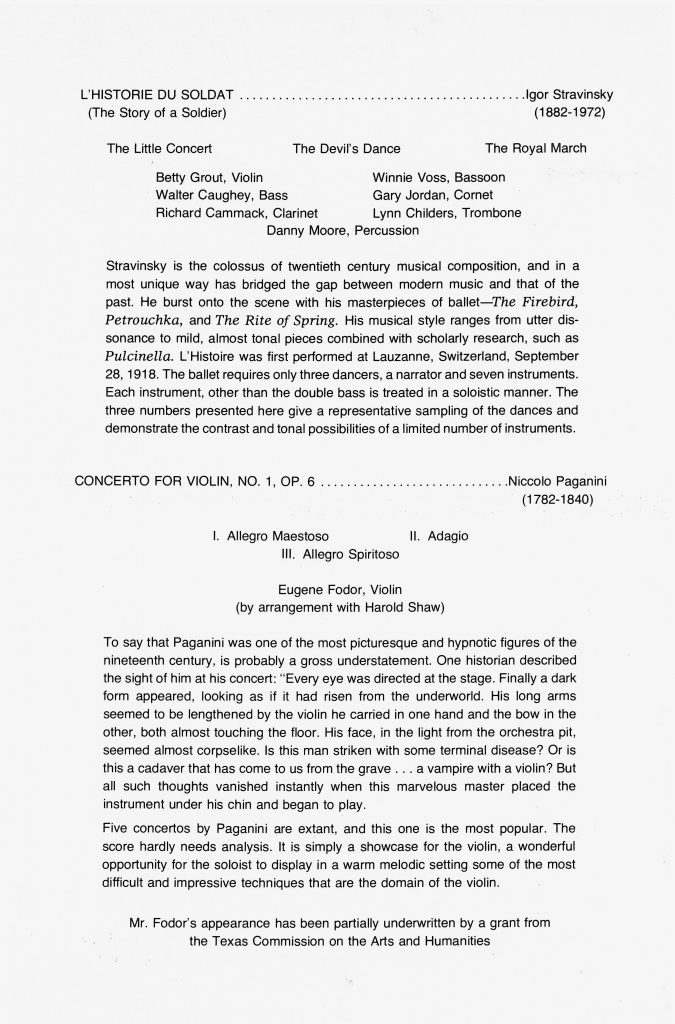
My high school bandmate and future college roommate, Lynn Childers, and I stayed long hours after school in the band hall transcribing and arranging their music and arguing about if we got it right or not. On Saturday nights we cruised around our hometown blasting music out of the windows of his Ford Mustang just like all the other kids except we were listening to Frank Zappa, Bill Chase, Buddy Rich, Mike Oldfield, Blood, Sweat, and Tears, and of course Chicago. We made music together because we wanted so badly to do it.
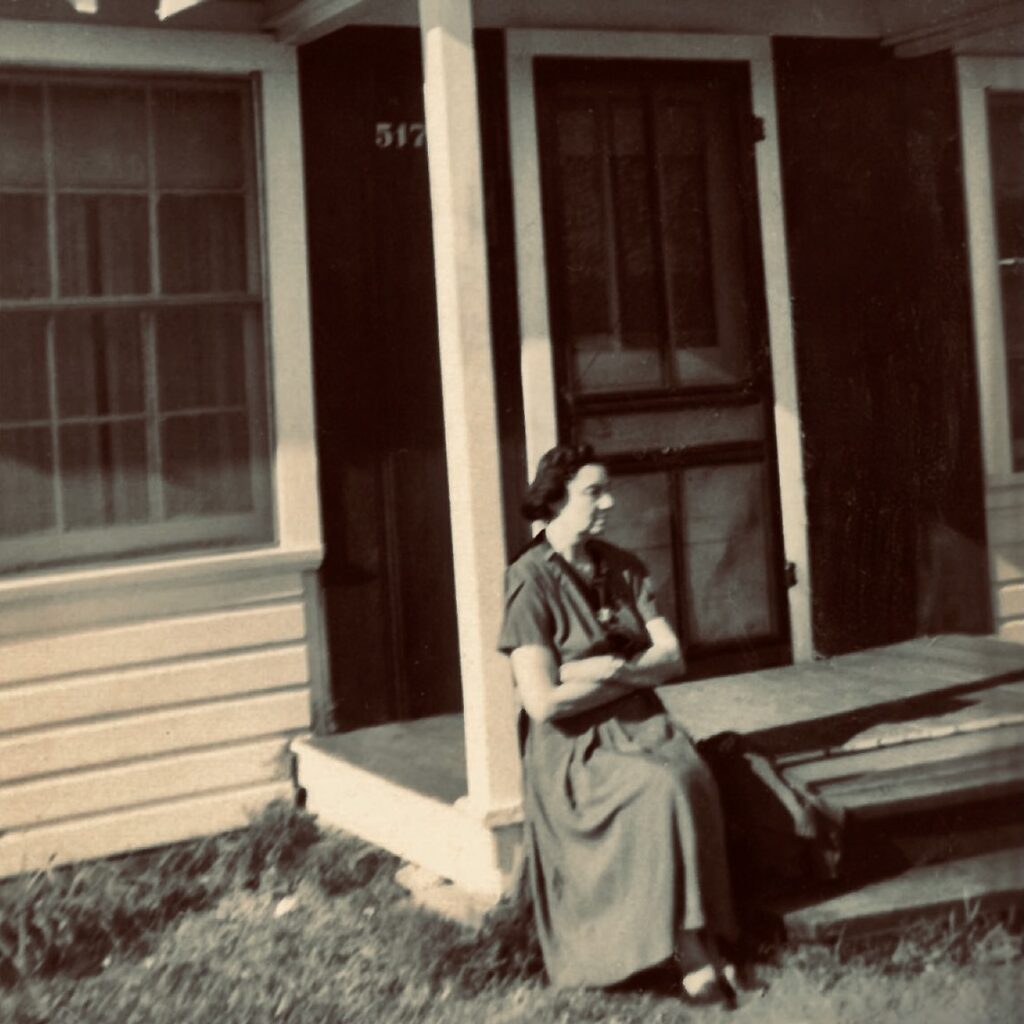
Whenever I got a new passion, something that I “really wanted” to do, my grandmother would say to me “wish in one hand and spit in the other and see which gets filled first.” Like so many East Texas syllogisms, it took me years to figure out what she meant.
Having survived the great depression as a young woman starting a family, my grandmother knew all too well that wishes wouldn’t fulfill dreams. She believed that the ability to achieve your goals only comes through action, dedication, and hard work.
I think she saw me struggling with the bellyaches of wanting to be a musician, but she worried that I didn’t have a strong enough work ethic to follow through on meeting that goal. By the time I figured out what she was trying to tell me, and I had begun to take her advice, she had passed away.
“Wish in one hand and spit in the other and see which gets filled first.”
—Pattye Burgess Leverett
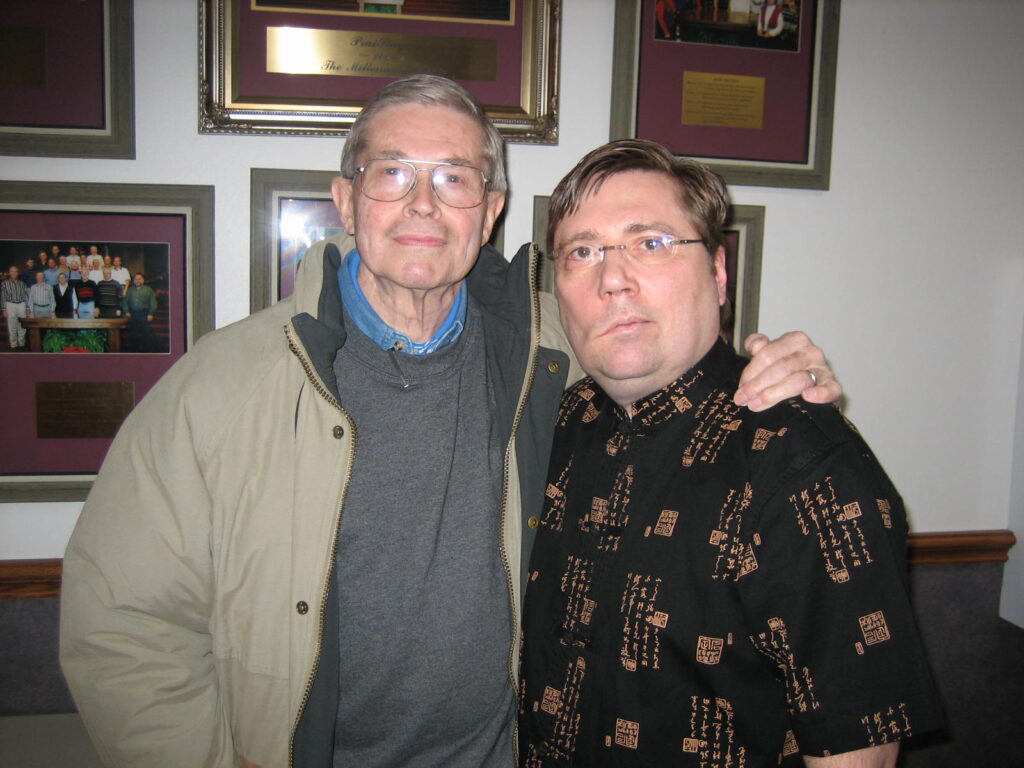
Years later that same band director who lit my fire when I was 12 years old, told me that of all his students, I was the one that wanted to be a musician so much that I wouldn’t let adversity (meaning a lack of innate talent) or circumstances (coming from a poor family), prevent me from achieving my goal. He knew how badly I wanted it, even before I did. It was he who gave me the encouragement, the drive, and the push that my grandmother knew I needed. Thanks Grandma and Mr. Yancey.

Since Junior High School, a musician is all I can remember wanting to be which is why I sometimes become frustrated with my students when they don’t appear to show the same drive and motivation that it took for me to get to where I am today. As a teacher, I have been surprised many times by how often students appeared to not—in my opinion—want it bad enough.
I’ve had students who loved being in band in high school, so they decided to continue studying music in college only to drop out the moment they hit a brick wall in theory class, or when they faced the inevitable scenario of practicing for hours and hours and not improving. Then, when their archrival—the one who never practices—makes first chair, it knocks the wind completely out of their sails. “It’s not fun anymore” is the reason most often given for dropping out. But again, it raises the question “how bad do you want it?”
American singer and frontman for the rock band Counting Crows, Adam Duritz, explains it like this.
“You’ve heard people say this a million times. They’re doing something they really like and then it gets hard and they’re like ‘it isn’t fun anymore.’ That’s the line that divides artists from people with hobbies because hobbies are fun—and they should be. Art can be enjoyable, but it’s not supposed to be [fun], and that’s not the deal. That’s not what it’s about. I mean it’s great if it’s fun but it’s not going to be fun all the time. And it’s hard and it should be hard and you’re gonna be miserable and hate it at times or just hate the experience—not the thing—because its real; it’s your whole life and that’s different.”
That’s the line that divides artists from people with hobbies because hobbies are fun—and they should be. Art can be enjoyable, but it’s not supposed to be [fun], and that’s not the deal.
—Adam Duritz, Counting Crows
But is it possible to want something too much?
Yes, the cost of going “all in” on the pursuit of your goals can be quite high. It can affect your mental and physical health and your personal life. In the film The Devil Wears Prada, Nigel (Stanley Tucci) wipes his brow as he tells Andrea (Anne Hathaway) “let me know when your whole life goes up in smoke. Means it’s time for a promotion.” Nigel’s cynical view is that seeking career advancement can bring personal hardships if you are willing to sacrifice everything else in your life for work as he has done. It is important to keep in mind that when desire becomes an obsession it can create a vicious cycle where the very intensity required to achieve your goal pushes the desired outcome further away.
The reality, however, is that most people aren’t really at risk of over doing it in pursuing their goals which is probably why I’m not a professional baseball player today (among other reasons). Even the overachieving Italian Renaissance sculptor, painter, architect, poet, and writer of sonnets, Michelangelo, believed that “the greater danger for most of us lies not in setting our aim too high and falling short, but in setting our aim too low, and achieving our mark.”*
“The greater danger for most of us lies not in setting our aim too high and falling short, but in setting our aim too low, and achieving our mark.”
—Michelangelo di Lodovico Buonarroti Simoni (1475-1564)
*Yes, I know that I have used that quote in a previous post but, hey, it’s a good one.
It’s all about balance.
There is a reason why as a culture we enjoy entertainments that require exceptional balance. Things like walking a tight rope, juggling, or spinning plates in the circus, the balance beam in gymnastics, or log rolling at the lumberjack competition are just a few examples. We respect and admire the skill needed to maintain balance because without good balance there is the inherent danger of failing—and falling.
The secret of maintaining a good work/life balance is to keep three areas of endeavor equally apportioned. These are the things we have to do, the things we need to do, and the things we want to do.
The things we have to do include those that are necessary to sustain life such as eating, sleeping, seeing a doctor, or simply stopping occasionally to “sharpen the saw.” Habit #7 of Stephen Covey’s Seven Habits of Highly Effective People is the concept of sharpening the saw. According to Covey “this habit is called Sharpen the Saw because dull or rusty tools are much less effective than clean and sharp tools.” Taking time to stop working and care for your tools will make things easier when you start again. The same applies for taking a break from practicing in order to let your mind and body (your tools) recover.
The things we need to do are those that we are required to do because of our responsibilities to others such as homework and attending classes, jobs to help pay the bills, or even mundane tasks like shopping for groceries which also impacts the things we have to do. For a musician, this might mean practicing for an ensemble you really don’t enjoy but is a requirement for your degree.
The final piece to be balanced is in the things we want to do. This is where your passion, your art, your calling lives. It is also the part that can knock your work/life balance completely out of whack! If we are passionate about something we are tempted to try and steal time from the things we have to do or need to do in order to focus on what we want to do.
I think every person who has pursued their passion has tried to cheat the balance at times and often with great success. This is an acceptable—even necessary—practice but, again, there is a cost. For anyone passionate about their life’s work, that cost is sometimes unavoidable because eventually the two neglected areas will demand equal time.
Here is an example the late pianist and composer Chick Corea gave about his creative process. “When I compose for a record, I work 18-20 hours a day, I eat and sleep very little, and I feel fantastically good! I have my businesspeople leave, and I don’t take phone calls or have visitors. I isolate myself and get that creative flow going. Once it starts, it’s like a snowball…”
In doing this, Chick was stealing time from the other areas of his life to focus on creating his art. Both in his life and in his music, Corea made good use of the musical concept known as tempo rubato. The term comes from the Italian word “rubare” which means to steal. In music this means stealing time from some measures making them shorter or adding time to others making them longer to facilitate a more expressive performance. The point is that time (in music and in life) doesn’t budge so, if you steal time from one measure (or part of your life) it must eventually be repaid. Is this a bad thing? Not necessarily. Just reread two paragraphs above one more time.
Don Henley puts this all in perspective for us but, I think you are getting the idea:
So, you put a hold on happiness
A day, a week, a year
You got to bring somethin’ to this party, boy
If you party here
If you’re lookin’ for love
I have to ask you
How bad do you want it?
Not bad enough…
So, as Fall brings you new opportunities, try to keep your work/life in balance and keep asking yourself “how bad do I want it?”
Oh, and don’t actually spit into your hand; that’s disgusting.
Citations:
Buffett, Jimmy. Trip Around the Sun from the album License to Chill (2004), Mailboat Records, August 16, 2004
Beato, Rick. Counting Crows: Adam Duritz Interview, accessed August 21, 2025
Covey, Stephen. Seven Habits of Highly Effective People
https://www.franklincovey.com/courses/the-7-habits/habit-7
Corea, Armando “Chick”. Interview on writing the Mad Hatter album, Downbeat Magazine, March 1978
Devil Wears Prada. Film directed by David Frankel and produced by Wendy Finerman, screenplay, written by Aline Brosh McKenna, based on the 2003 novel by Lauren Weisberger, the film stars Meryl Streep, Anne Hathaway, Stanley Tucci, and Emily Blunt, 2006
Henley, Don. How Bad Do You Want it? End of the Innocence album, Don Henley, Danny Kortchmar, Stan Lynch, Geffen Records, 1989
https://youtu.be/DCahCPN3Kho?si=8Q_4JFSKzWVeFDli