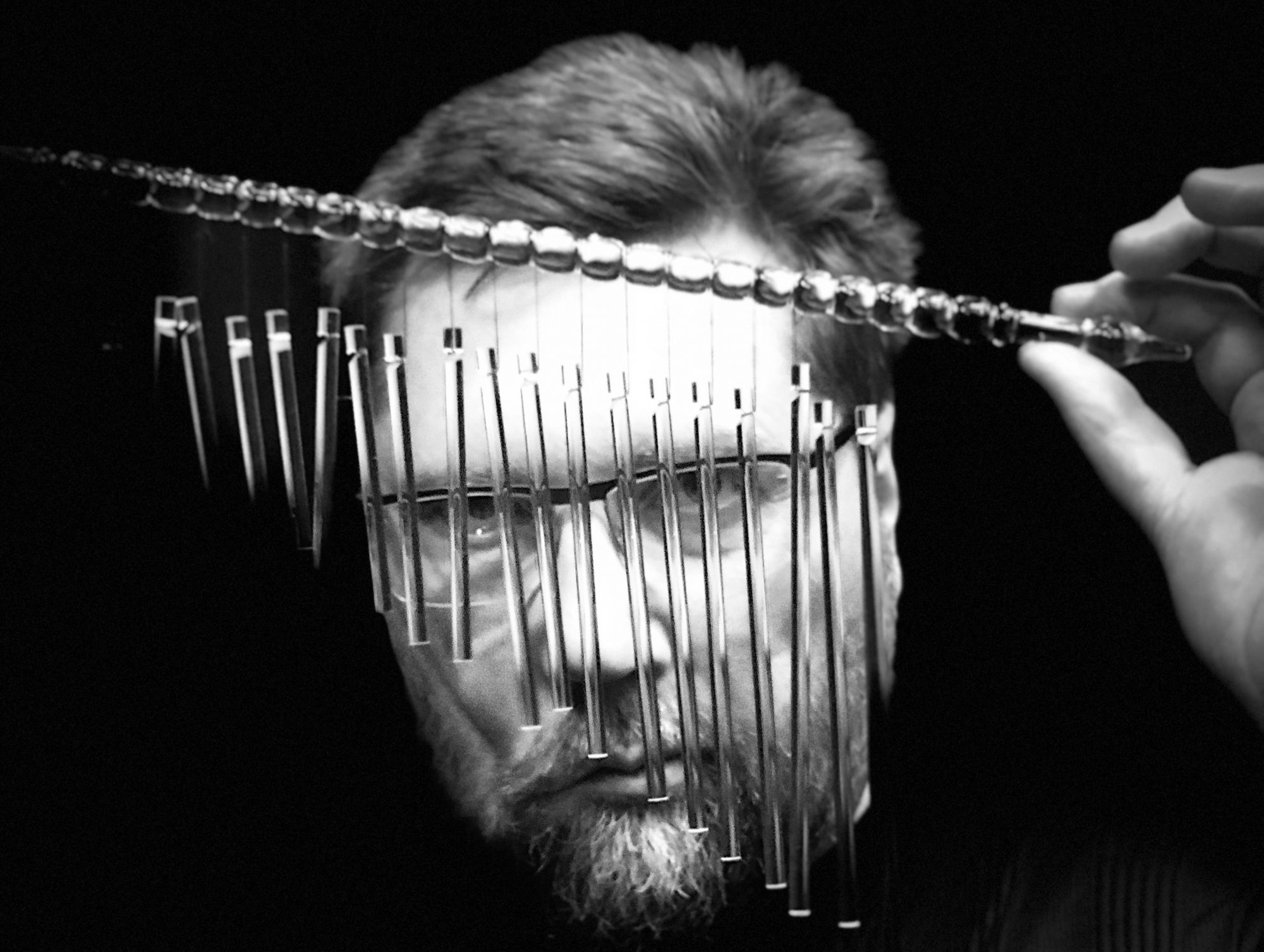
On March 10, 2022, the angels in heaven double-checked the tuning of their harps and reviewed their music fundamentals because Ms. DeeAnn Gorham was coming home.
DeeAnn Logan Gorham (1946 – 2022) was a talented musician, an accomplished singer and pianist, who crash landed at East Texas State University in 1975 and continued to stir things up for the next 38 years
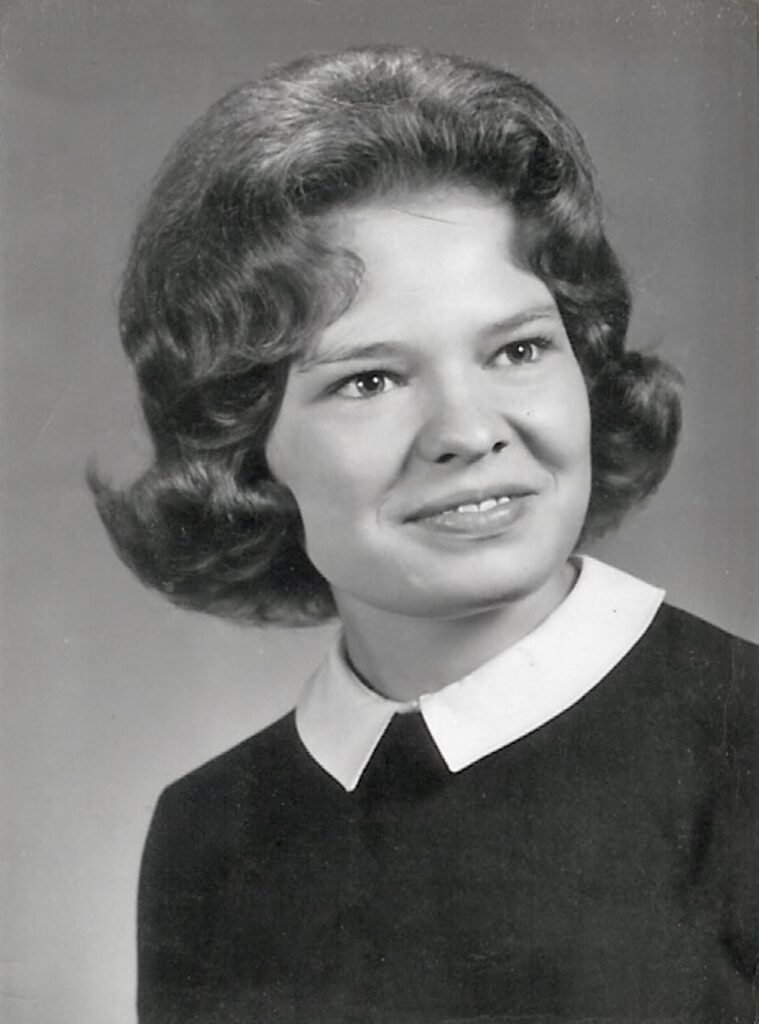
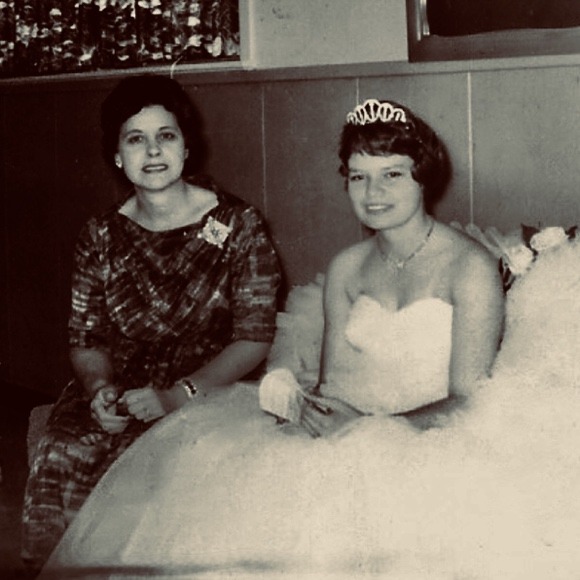
Ms. Gorham was a diva; sophisticated, funny, and over the top but extremely no nonsense in her pursuit of being a respected university music professor. In her memorial service at Kavanaugh Methodist Church where she served as Music Director for many years, it was said that “DeeAnn was not only a musical virtuoso; she was also kindness incarnate; patient and loyal.” I and many others can attest to that fact that she was “genuinely joyful, brilliant, intensely disciplined, keenly observant, serious, playful, and deeply loyal.”
In college I was marginally funny and allegedly talented, but I was absolutely none of the other things that Ms. Gorham embodied. She was erudite, travelled, and most of all passionate about music. She, among many of my college professors inspired me to work harder and reach higher than I thought possible, or convenient.
One particular inspiration came in the unlikely form of Class Piano.
A harsh realization for many music majors is that in college one must take, and ultimately pass, piano class. I was a self-taught pianist who could play a pretty mean Smoke on the Water or the Theme from Shaft but otherwise I had no idea what I was doing when it came to real piano technique, sightreading, or music theory.
Unwittingly, Ms. Gorham became my class piano teacher. I suspect I was among her first students in piano class, which I had put off as long as possible. There was no more avoiding the inevitable. But taking her class turned out to be one of the most propitious curricular detours I had taken, because she was just what I needed at that point in my college career.
Among other precepts DeeAnn believed in the power of drill and discipline in the pursuit of musical excellence. I’ll give you an example.
To begin, one must understand that a proper diva would never arrive to a class on time. She would rather glide into the piano lab promptly at eight-o-two every morning, her head erect as if balancing an invisible tiara on her head. She appeared with a load of books and papers in her arms, and an expectation that her pupils be seated and waiting. By the time she crossed the threshold, each student in the class was expected to have a page of note-book paper with lines numbered one to ten and their name and the day’s date printed legibly at the top.
As she casually organized herself—arranging books and papers on the desk and piano, she would call out different types of chords. Our task was to “spell” each chord (meaning the three or four individual notes that make up a particular chord) and scribble them down before she could say the next one.
“D-major” she would say with an upward lilt. “F-minor” she cooed somberly. “G-flat diminished seven” she purred in a subtle Mid-Atlantic accent. Each one delivered with a one or two second pause in between. It was the most stressful part of my day. Once she had given ten chords, we passed our sheets to the front of the class (curiously, she never checked the role because she now had a record of every person in attendance that day).
When we struggled, she would become frustrated and admonish us by blithely repeating “DeeFsharpA” in a rhythmic and lilting tone. “D-major is just DeeFsharpA” she’d say. “See, I can say it easily, DeeFsharpA” this time adding an operatic flourish of her hand. “It’s just DeeFsharpA.” And thus with a melodramatic sigh, class would begin. “Now, on to melodic minor scales in two-octaves please—ready and…”
This showed us that if we had to stop and give labored thought to the spelling of simple chords that the musical world would quickly move on with or without us. It was powerful. I still use this concept with my students today. It is a fundamental skill that many teachers overlook. Quickly knowing the parts of a chord is key to understanding tonal harmony and something every improvising musician must be able to do just to enter the playing field—much less the band stand.
I can point to many significant turning points in my life and career, but encountering Ms. Gorham was certainly one of the most influential to my teaching. There were of course many other pivotal moments of which I am completely unaware, but this is one that stands out clearly in my memory.
When I began to make a name for myself, many of my professors and classmates at ET were surprised, but not DeeAnn. She continued to cheer me on. With every visit I made to ET, she was always there to support me and tell me she was proud of what I had accomplished as a musician. I am so fortunate to have been given the opportunity to tell her how much I appreciated her efforts on my behalf on several occasions before she passed.
DeeAnn’s influence on East Texas State University is also clear as evidenced by their flying of the University flag at half-staff after her death and naming the Green Room in the new Music Building in her honor along with colleagues William Gorham and Charles Nelson. These are small but meaningful tokens of esteem from a school to which she had given so much.
Her ET colleague Gene Lockhart remembered DeeAnn as being “very patient but with great expectations; not just in piano or in theory or voice, but in everything she did.” Carolyn Lockhart recalled that “DeeAnn and I had a lot in common as we both taught children’s choirs in our churches, and we were both very strict. DeeAnn didn’t believe in having screaming kids running around; she expected them to behave and take their singing seriously and this made her program even stronger and larger than many other church-based children’s choirs.”
Her syllabus for voice lessons provides a glimpse into her philosophy for the disciplined study of music. “It is truly impossible to maintain and continue learning, growth, and singing more beautifully without continuity and perspicacity.” I’m sure most of her students (if they were smart) turned to the dictionary upon reading this line in the syllabus to find the following definitions. “Perspicacity: The ability to understand things quickly and make accurate judgments” and “continuity: uninterrupted connection, succession, or union.”
Is it as simple as spelling chords in piano class every day until one becomes fluent in the building blocks of music? You better believe it.
She followed with a few more of her favorite musical quotes, but the one that seems most prescient today is from Robert Shaw who said “…in a world of political, economic and personal disintegration, music is not a luxury but a necessity… not simply because it is ‘therapeutic’ but because it is the persistent focus of man’s intelligence, aspirations, and good-will.”
And finally, a warning. “I, of course, assume that you are here, seeking a degree, because you want to sing, you want to learn. Attending university is a gift, and therefore, you would always practice more than is sufficient for your own personal, vocal, musical, and spiritual growth; however, just in case you need external assistance: please do not make the faulty assumption that I do not know when you have avoided practicing.”
Of course she knew! She always knew.
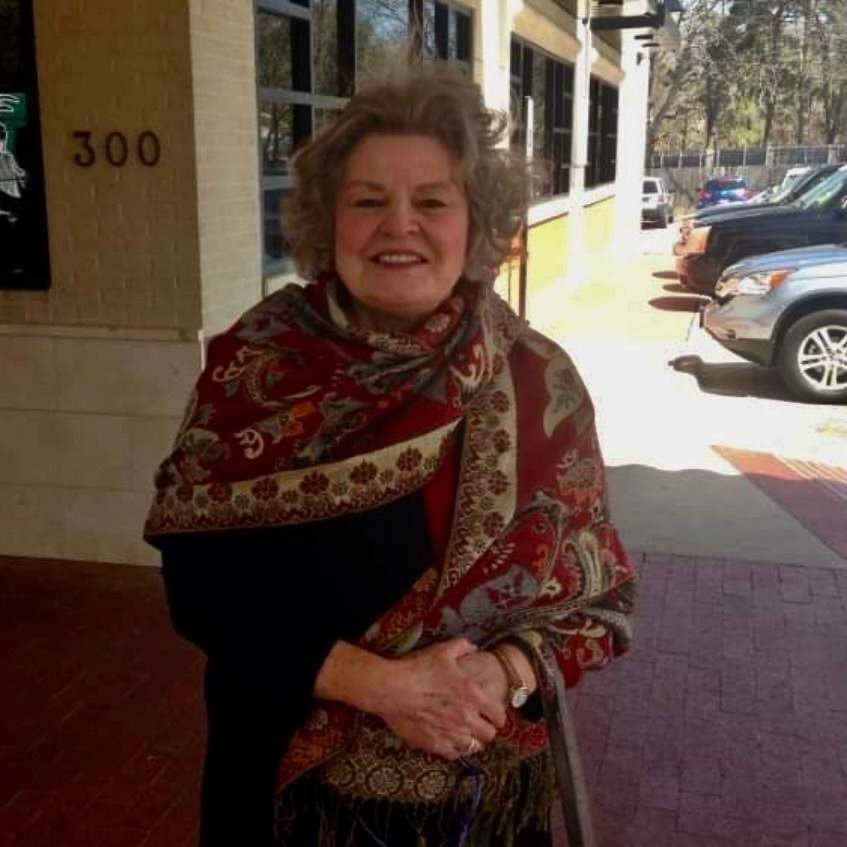
I believe her obituary said it best. “DeeAnn was an accompanist in life and music, breathing with the performer, anticipating need, and remaining fiercely focused on the exact support required. She adeptly and happily provided that support to the musician, the birds, the flowers, family, and friends. She was so fully present, as she made certain every movement was in support of the other person. And joyfully did so.”
Thank you DeeAnn for teaching us the lessons of continuity and perspicacity.
Oh, and another thing.
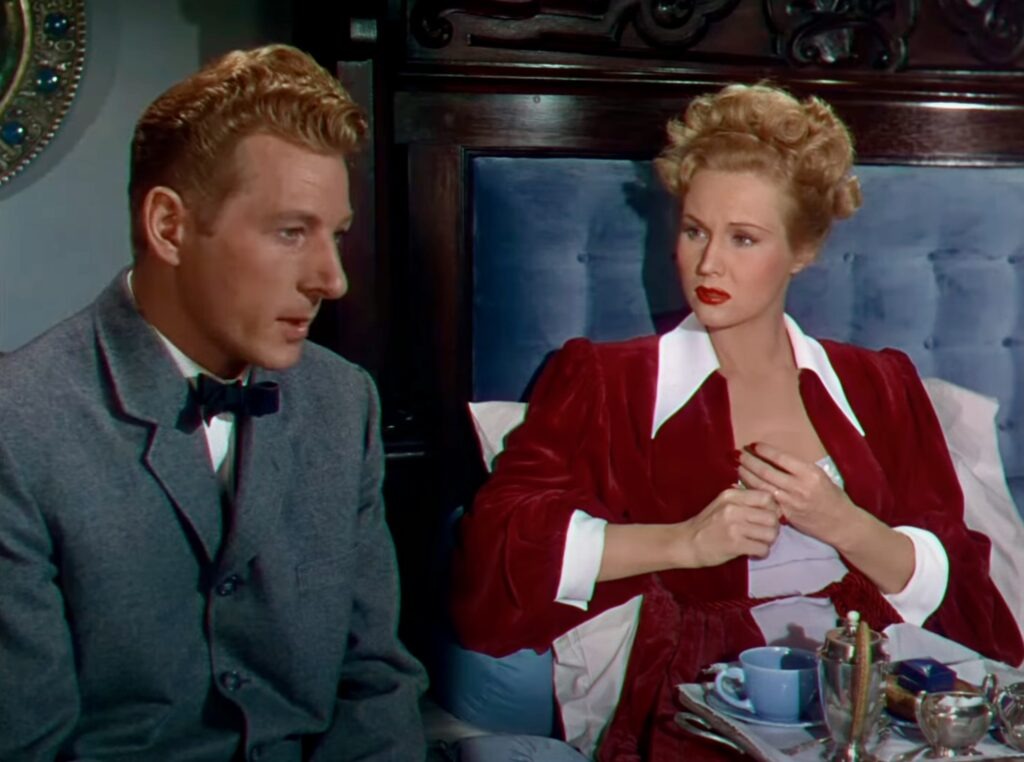
The Mid-Atlantic or Trans-Atlantic accent was often used by actors and announcers in classic Hollywood film and theatre productions of the early 20th Century for its perceived sophistication and clarity. It was taught in elite Northeastern private schools to create a “standard World English” for the educated elite.
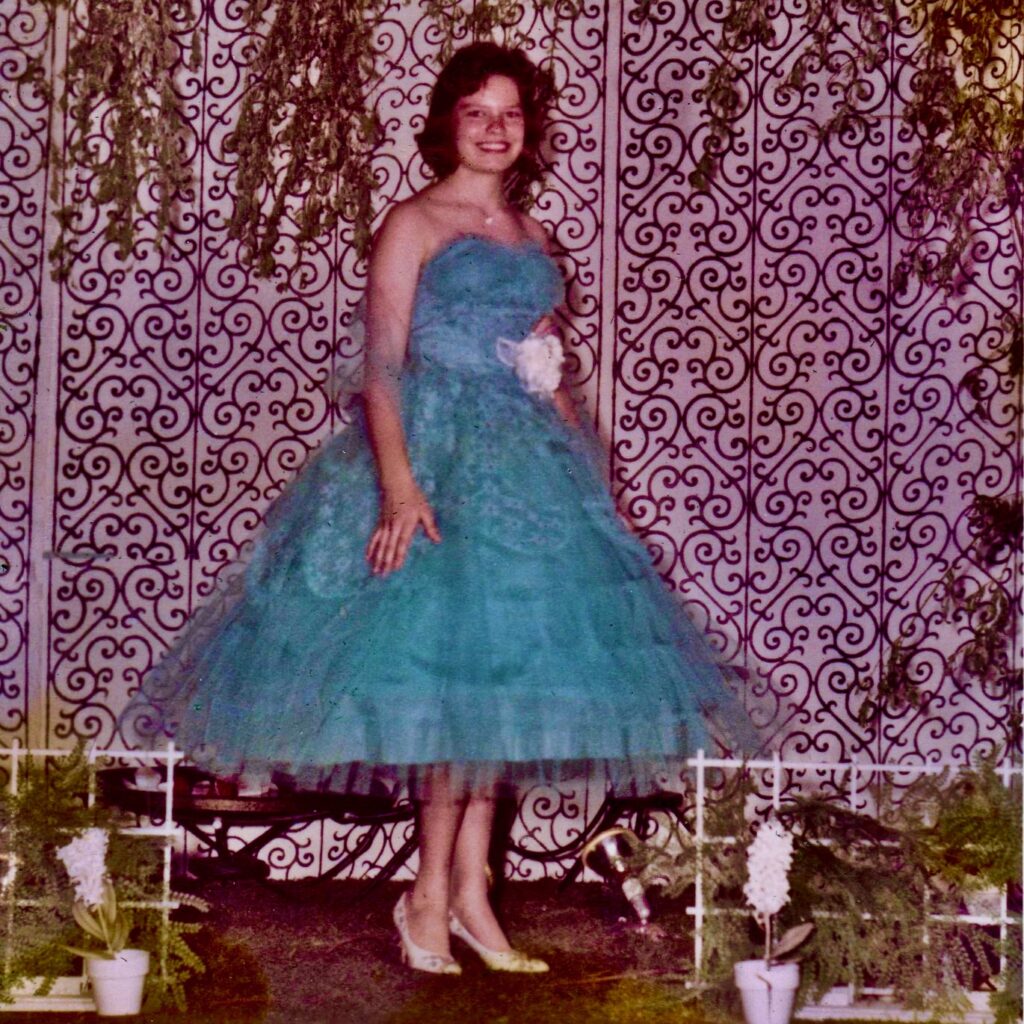
Adam Rathe, Deputy Features Director for Town and Country Magazine writes that “throughout the Golden Age of Hollywood, stars including Katharine Hepburn, Cary Grant, Bette Davis, and Orson Welles employed what’s known as a ‘Mid-Atlantic accent,’ a sort of American-British hybrid of speaking that relies on tricks like dropping ‘R’ sounds and softening vowels, in order to convey wealth and sophistication on the silver screen.”
The implication is that the term “Mid-Atlantic” means that it was born somewhere in the middle of the Atlantic Ocean between The US and the UK where it is said that “Nobody lives.”
“Why, what ev-uh do you mean Daaling?”
Note: There may be more to say about finding yourself upwardly mobile by simply changing the sound of your voice in a future blog…
Citations:
1Rathe, Adam. What Is the Mid-Atlantic Accent: Why Katharine Hepburn and Cary Grant Sound like (Fake) Millionaires, Town and Country Magazine, Published 3 May 2020
2Widler, Billy. A Song is Born, film starring Danny Kaye, Virginia Mayo, Louis Armstrong, Benny Goodman, Tommy Dorsey, others, Samuel Goldwyn Studios, 19 October 1948
3Gorham, DeeAnn. Voice lessons Syllabus, East Texas A&M University, date unknown
4Definitions from Merriam Webster Online
5Lockhart, Gene & Carolyn. Telephone conversation with the author, 3 October 2025
6Contributor. DeeAnn Gorham Obituary, eExtra News, Paris, TX, 24 March 2022
7George, Larry, Rev. Dr. DeeAnn Gorham Memorial, Kavanaugh Methodist Church, Greenville, TX, 2 April 2022